Early detection & prevention
Early detection and prevention: the difference that matters
The two terms sound alike but mean different things. Early detection finds disease early. Prevention helps you stay healthy. Knowing the difference lets you decide more calmly about your own health.
Why many hesitate
Prevention for men: the visit many keep postponing
The benefits are well known, yet the appointment often gets put off. Usually three reasons are behind it.
Men hesitate especially with urological check-ups. It is rarely about a lack of interest. More often it is an uncomfortable feeling, the sense that it is still too early, or quietly pushing it to later. That very postponing is why changes get noticed later than they need to be.
Embarrassment
Urological exams feel uncomfortable or too private for many men, so the appointment gets avoided.
The age myth
A common assumption is that prevention only matters at an advanced age. In fact it is recommended much earlier.
The postponing
Without symptoms there is no trigger. So the appointment slips further and further back, until symptoms eventually make it unavoidable.
The difference
Early detection and prevention: what they really mean
Both belong to men's health, but they pursue different goals. Early detection actively looks for early signs. Prevention starts earlier and lowers risks before symptoms develop.
Spotting disease early
Early detection means targeted exams that make disease visible at a very early stage, often before you notice anything yourself.
- Looks for early signs before you notice any symptoms
- Uses targeted tests, such as the PSA blood test
- Steps in before symptoms appear
Example: a prostate exam that catches a change long before it makes itself felt.
Staying healthy before anything develops
Prevention covers regular exams and habits that maintain health and lower risks from the outset.
- Happens regularly, not only on suspicion
- Connects exams with daily life and lifestyle
- Aims to keep you healthy, not to cure
Example: the recommended check-up from around 45, combined with exercise, nutrition, and attentive observation.
Early detection and prevention are not mutually exclusive, they complement each other. Together they make sure changes become visible early and arise less often in the first place.
Why it matters
Why early detection and prevention matter
Those who use both regularly have the best chances to stay healthy and meet changes early.
Detect early
Irregularities show up while they are still small and easy to influence.
Manage deliberately
Known risks can be kept deliberately in view instead of leaving them to chance.
Avoid complications
What becomes visible early develops into a bigger problem less often.
Take an active role
A self-assessment in a few minutes
The IPSS questionnaire uses seven questions to gauge how much urinary symptoms affect your daily life. Free, anonymous, and done in a few minutes, a first point of reference with no pressure.
Test at home
Early detection that fits your daily life
Collect values regularly without going to a practice for every check.
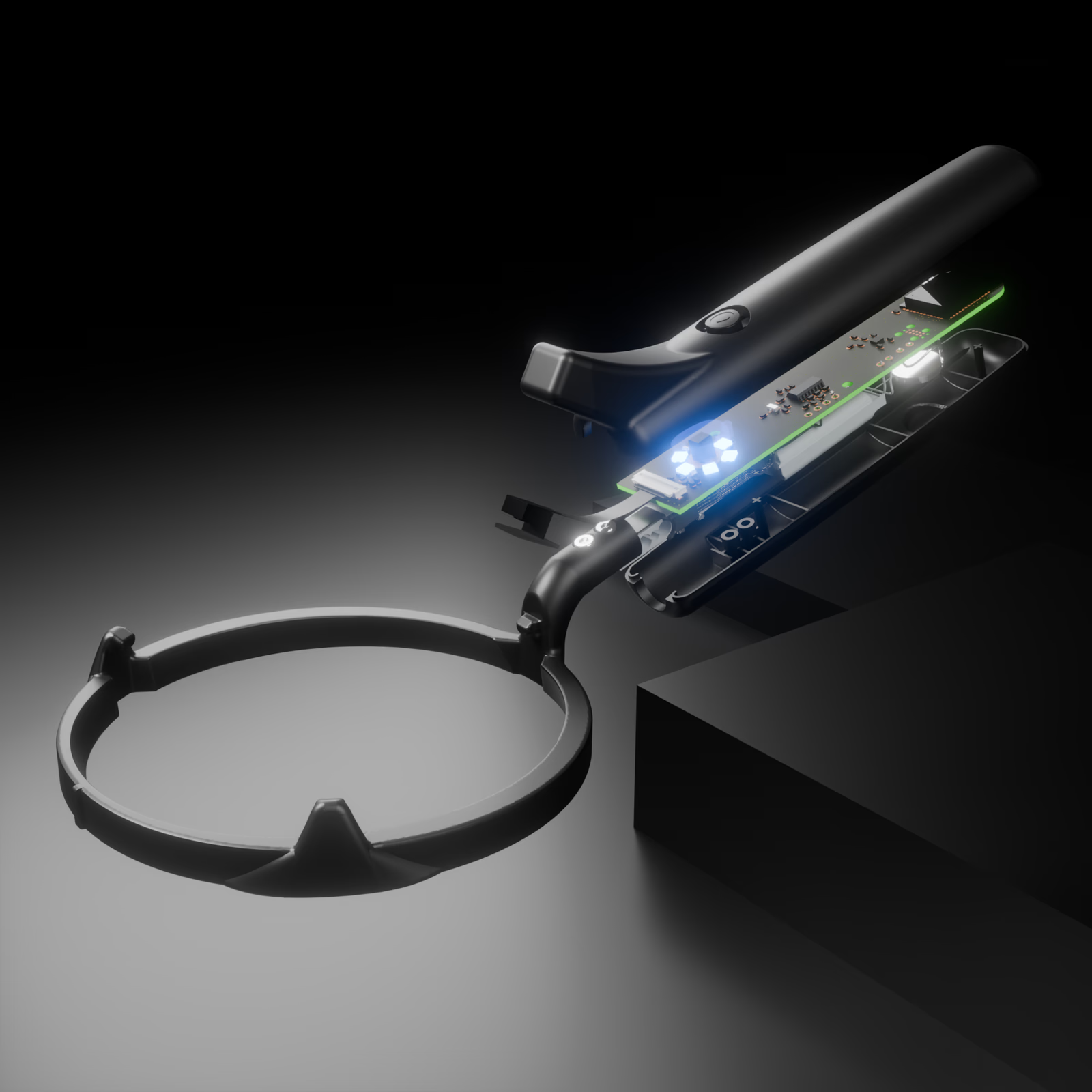
Streamcheck
Your values in view
With Streamcheck you collect urological health values regularly and discreetly in your familiar surroundings, as a reliable complement to medical prevention.
- Test regularly and discreetly
- See the trend of your values, not just a single moment
- Developed and made in Germany
Keep exploring
You do not have to stop here.
Pick where to go next.